


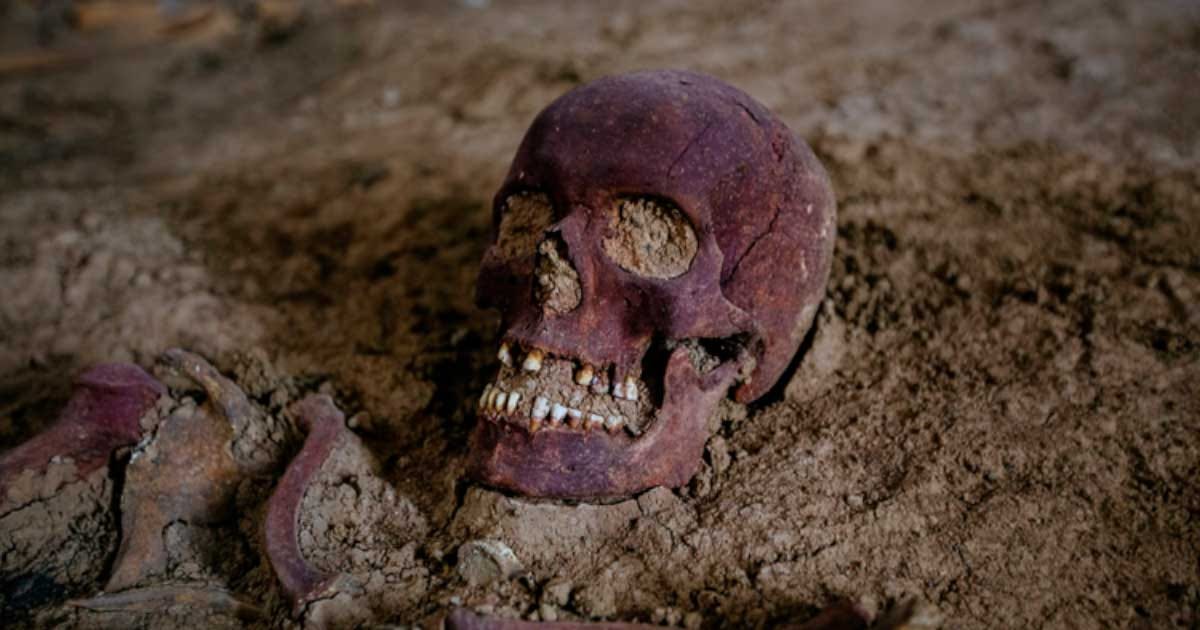
Imagine being chosen - not for glory, not for battle, but to be sealed alive inside the foundations of a castle, a bridge, or a dam, your body destined to become a permanent part of the structure above you. This was the grim reality of Hitobashira, an ancient Japanese practice of construction sacrifice in which a living person was entombed within or beneath a large building to invoke the protection of the Shinto gods. The belief was stark and unwavering: only the spirit of a sacrificed human could shield a structure from floods, earthquakes, and enemy attack.
As one instance, the central pillar of the Matsue Ohashi Bridge in Japan bore the name of the man buried beneath it for three centuries.
Far from being an isolated Japanese custom, the practice of burying people alive in the fabric of buildings has left its mark across the ancient world - from China’s da sheng zhuang, attributed to the legendary architect Lu Ban, to Myanmar’s myosade and Indonesia’s tumbal proyek.
These are stories of desperation, devotion, and a deeply human desire to impose permanence on the things we build, whatever the cost.
