


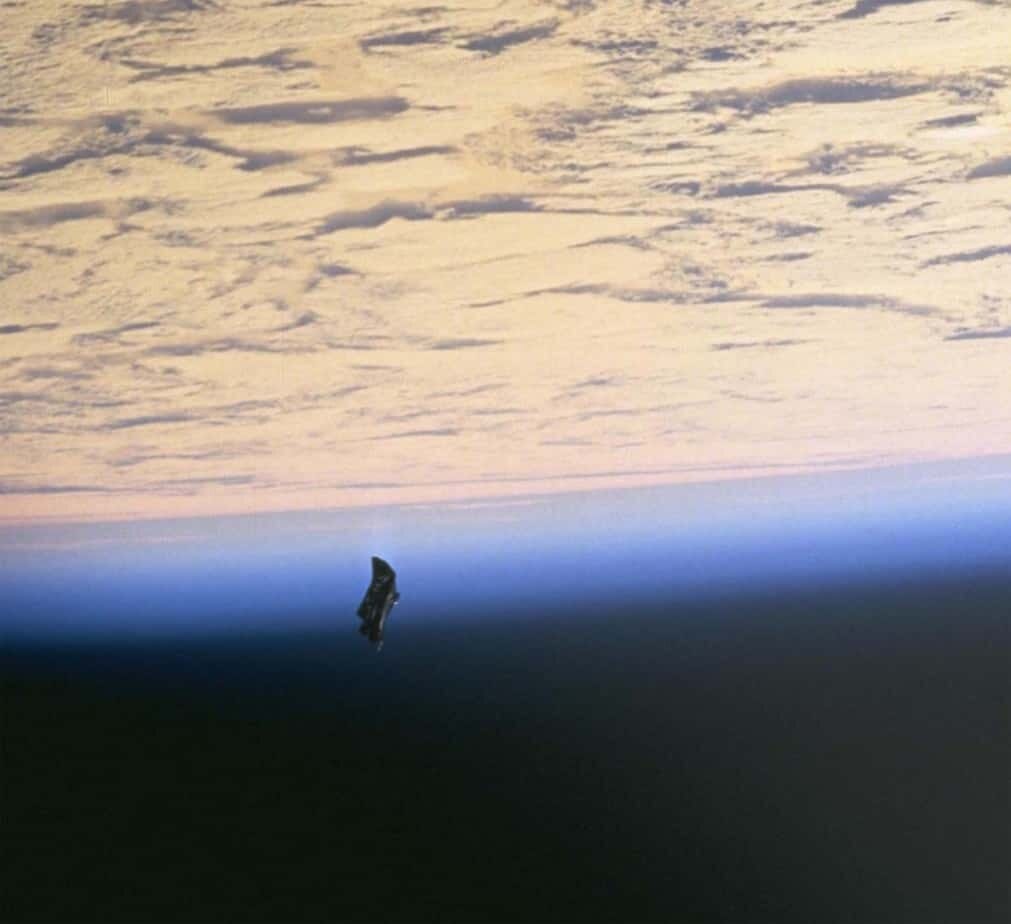
Space is filled with mystery. In the last 50 years, we have sent man-made satellites to explore our solar system and beyond. Their discoveries continue to amaze us. Let us take a look at some NASA photos which have captured - and tested - our imagination.
What We Thought Was Empty Space
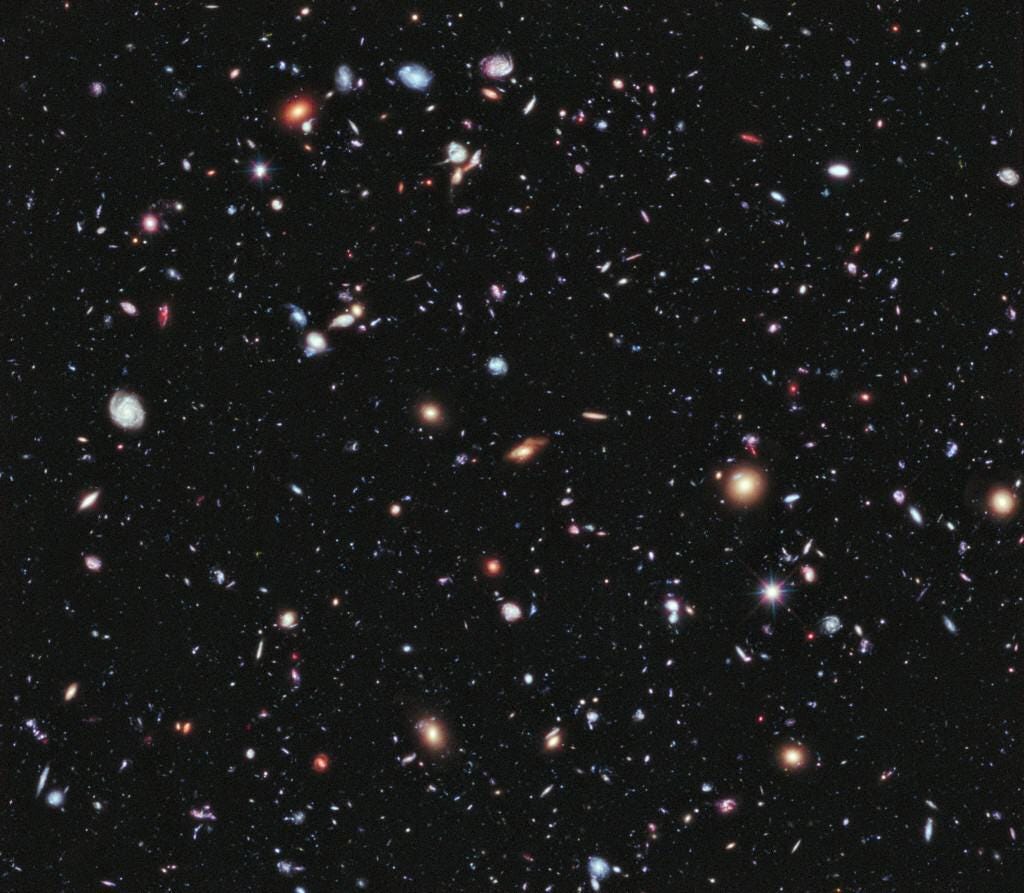
Space is incredibly big. When we look out into the night sky, we see countless stars. But those are merely our closest neighbors in space. Behind them lie other galaxies like our own Milky Way with it its own cluster of stars. In 2003 and 2004, the Hubble Space Telescope took a series of high-resolution Ultra Deep Field images of just a tiny portion of empty space. Zooming into that space, astronomers found galaxies. And not just a few. This Hubble image captured over five thousand of them. With potentially billions of galaxies in our universe, the existence of intelligent extraterrestrial life is highly probable.
Shiny Lights on Ceres
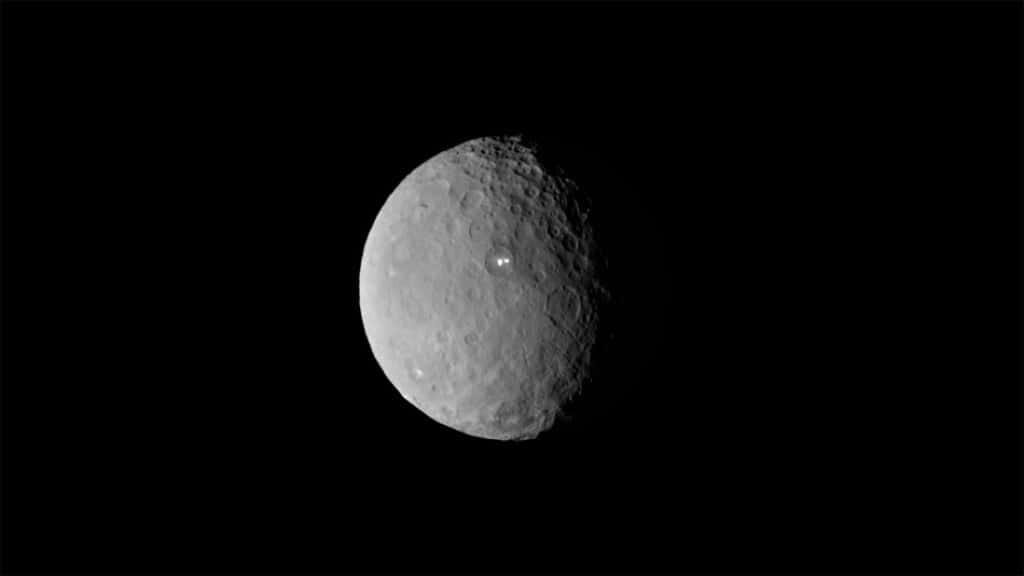
The dwarf planet Ceres has been captivating scientists since its discovery in the early 19th century. Too small to be a planet but too large to be an asteroid, it is the largest floating object in the asteroid belt between Mars and Jupiter. Recent images of the dwarf planet, taken by NASA’s Dawn spacecraft, added a new mystery to the planetoid. The pictures show two bright dots on the surface – one appears brighter than the other. Are they large deposits of some type of metal, or giant volcanoes, or even something even more mysterious? We will have to wait for new higher-resolution images to find out.
