

In 2015 an archivist at the Schoellerbank, a private bank in Vienna founded in 1833, was working through the contents of the bank’s safe. Dr. Sylvia Linc came across a brown leather folder that had been deposited in 1926. Nobody knew who had left it. The cover bore the initials HV.
Inside were documents of the Vetsera family. Among them was an envelope addressed in the hand of Crown Prince Rudolf of Austria and sealed three times with his seal. It held three short letters on paper printed with the words Schloss Mayerling and a pair of stag’s antlers. They were the farewell letters of Baroness Mary Vetsera, written in January 1889. Historians had assumed for more than a century that they had been destroyed.
To understand why that folder mattered, go back to a January morning in the Vienna Woods.
A morning at Mayerling
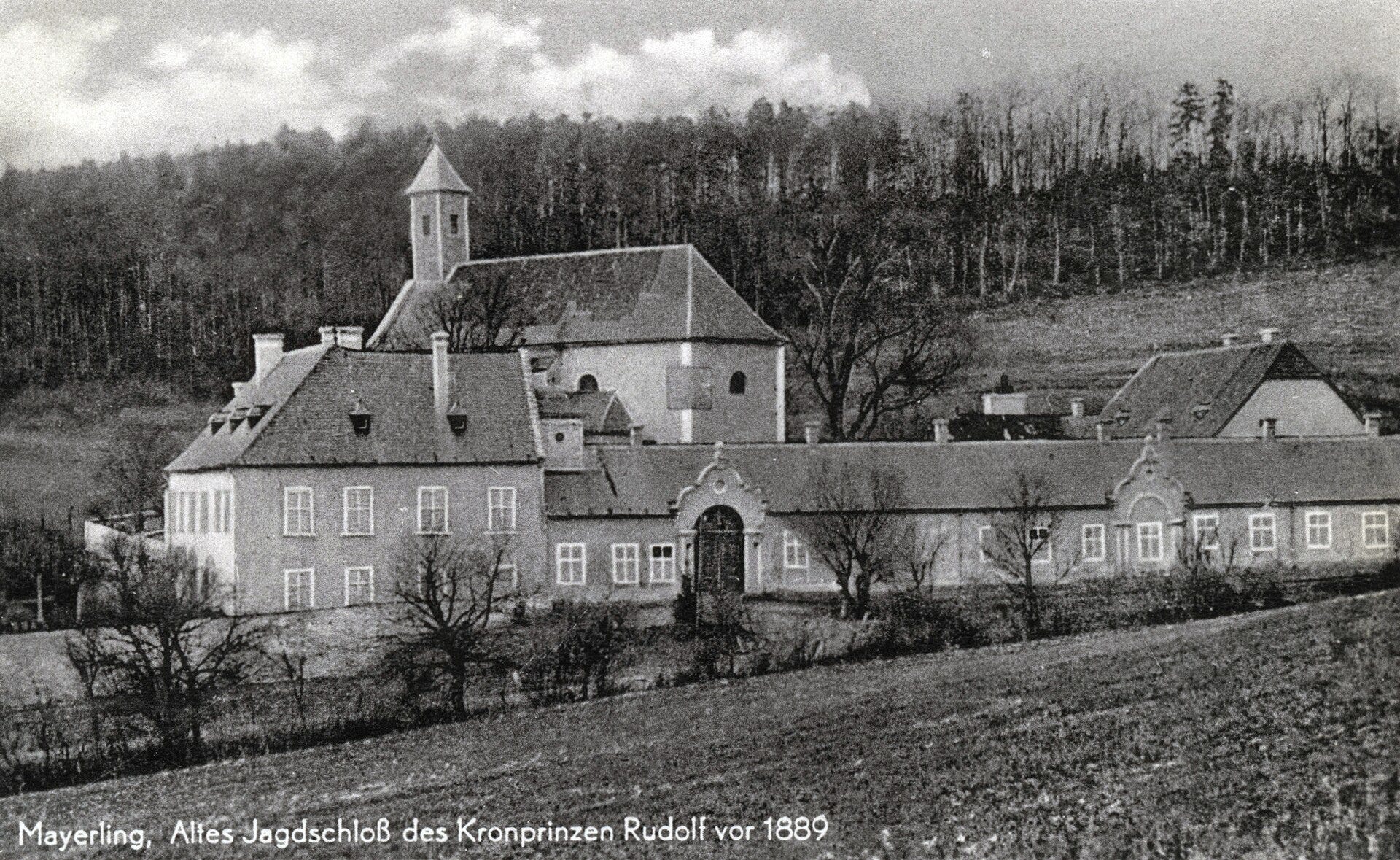
On the morning of 30 January 1889, at the imperial hunting lodge of Mayerling, about 26 kilometers southwest of Vienna, the heir to the throne of Austria-Hungary was found dead. He was 30. On the bed lay the body of a 17-year-old girl.
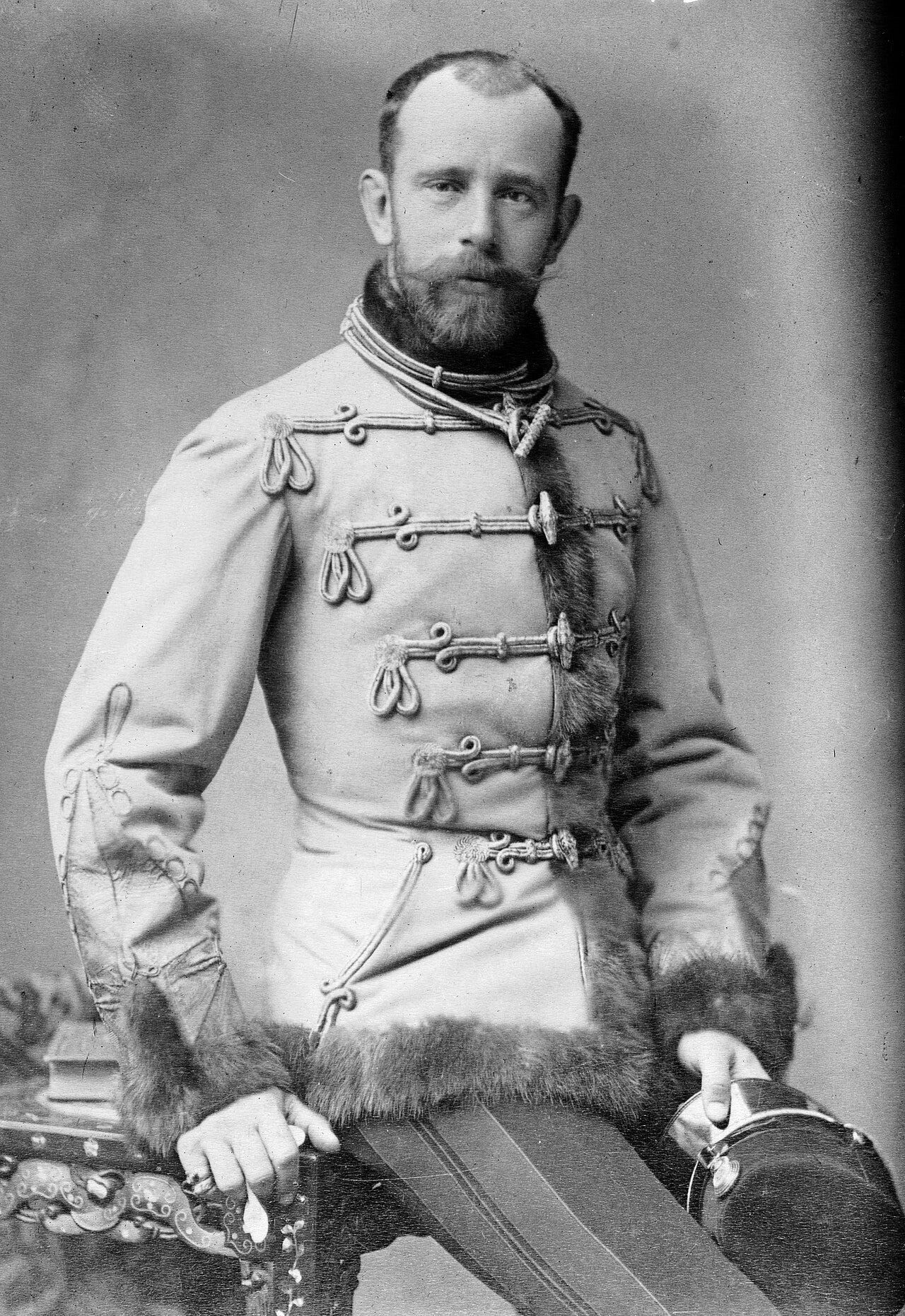
Rudolf was the only son of Emperor Franz Joseph and Empress Elisabeth. In contrast with his deeply conservative father, Wikipedia notes, he held liberal views. He had married Princess Stéphanie of Belgium in 1881, and their only child, a daughter called Erzsi, was born in 1883. By then the couple had drifted apart. In 1886 Rudolf bought Mayerling as a hunting lodge.
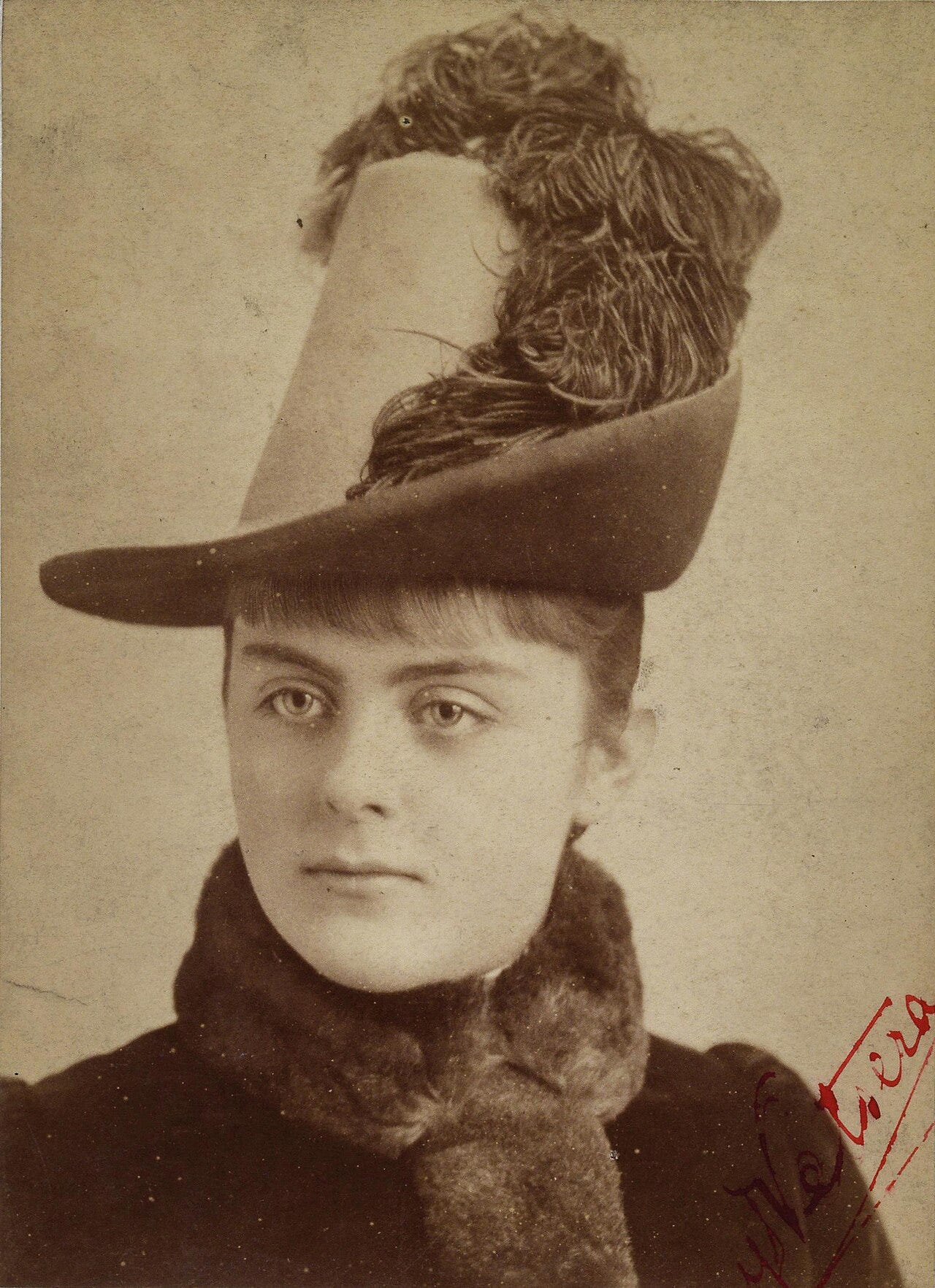
Mary Vetsera was the daughter of a diplomat who had been made a baron in 1870. Her mother, Helene, came from the wealthy Baltazzi family. Rudolf began an affair with her in late 1888, and by January many people at court, including his parents and his wife, knew about it.
On 29 January the emperor and empress gave a family dinner. Rudolf excused himself, saying he was unwell. He was expected at Mayerling for a day’s shooting early the next morning. When his valet, Loschek, went to wake him, there was no answer. Count Joseph Hoyos, Rudolf’s hunting companion, joined him at the locked door. Loschek finally smashed a panel with a hammer to open it from the inside.
The cover-up
What followed was a cover-up. At noon that day, the minister-president, Eduard von Taaffe, issued a statement on behalf of the emperor that Rudolf had died “due to a rupture of an aneurysm of the heart.” The official gazette of Vienna repeated the heart story the next day.
The court medical commission, led by Dr. Hermann von Widerhofer, had already established something different. Foreign correspondents soon learned that Rudolf’s mistress was involved. The heart story was dropped, and the court eventually acknowledged what is still the accepted outline: that Rudolf had killed Mary and then himself, apparently in a suicide pact.
That admission created a religious problem. A man who had deliberately killed another person and then himself could not be buried with Church rites. The Vatican issued a special dispensation declaring that Rudolf had been in a state of “mental imbalance,” and he was laid to rest in the Imperial Crypt in Vienna with his Habsburg ancestors. In his farewell note to his mother, Rudolf had asked to be buried next to Mary in the cemetery at Alland. That wish was ignored. The investigation file was also never placed in the state archives, as it normally would have been.
Mary had no dispensation. Her maternal uncles were summoned to remove her body and bury it as discreetly as possible. Even her mother was forbidden to attend. She was taken to the nearest cemetery, at the Cistercian abbey of Heiligenkreuz. Because her death was thought to be suicide, Wikipedia records, her uncles had a hard time persuading the abbot to allow a Christian burial. On 16 May 1889 her mother had her exhumed and reburied in a copper coffin.
A century of theories
With the files missing and the court silent, theories filled the gap. German diplomats claimed Rudolf had quarreled violently with his father over Mary. The German Empress Victoria wrote to her mother, Queen Victoria, that she doubted it and distrusted the diplomats who reported it. The historian Brigitte Hamann argued that Rudolf had first proposed a death pact to another woman, Mizzi Kaspar, who refused.
Others went much further. Decades later Empress Zita, the widow of the last Habsburg emperor, who was born three years after Mayerling, told the Vienna newspaper Kronen Zeitung that she believed the pair had been murdered by French agents. It remains an allegation.
Even Mary’s grave was not left in peace. Soviet troops broke into it in 1946, a break-in only discovered in 1955. In 1959 a physician, Gerd Holler, examined her remains and later argued that she had died in a different way, a theory the historian Lucy Coatman disputes. In 1991 a furniture dealer from Linz, obsessed with the case, secretly removed her remains for a private forensic examination. Police recovered them, and on 28 October 1993 Mary was reburied at Heiligenkreuz.
We looked at the case in our earlier article on the death of Crown Prince Rudolph. The Habsburgs’ long run of royal tragedy is in our piece on the Habsburg curse, and the death of King Ludwig II of Bavaria, three years before Mayerling, left a similar trail of unanswered questions.
What the folder held
This is where the Schoellerbank folder comes in. According to the Austrian National Library, the wording of Mary’s farewell letters had until then been known only in part, from a memoir her mother wrote to defend the family’s reputation. Only a few of the roughly 200 printed copies of that memoir escaped police seizure. Mary’s mother’s own last copy was burned by her daughter-in-law, Margit Vetsera, so that it would not fall into the wrong hands. The collection even includes the written confirmation that she had done so.
The letters to her mother and her brother, Feri, are short. The letter to her sister, Hanna, is much longer and is the only one dated: “Dienstag, den 29ten,” Tuesday the 29th. That places it on the last day before the bodies were found.
The note to her mother begins, in The Local’s English translation: “Dear Mother - forgive me what I have done - I could not withstand love. In accordance with his wishes I want to be buried beside him in Alland cemetery.”
The folder held more. According to the library’s press release, there was Mary’s baptism certificate, her death certificate in two copies and a long, previously unknown letter from Hermine Tobis, Mary’s piano teacher, to her sister Hanna. Katrin Jilek, a researcher in the library’s manuscripts collection, also lists photographs, a lock of Mary’s hair and a note to Hanna on simpler Mayerling paper, about a song “sung by Bratfisch” on the evening of the 29th.
The bank gave the collection to the Austrian National Library on permanent loan in the summer of 2015. Selected pieces went on public display in the library’s State Hall in 2016, in an exhibition marking 100 years since the death of Franz Joseph. Rudolf’s only surviving original farewell letter, to his wife, Stéphanie, is in the same library.
What the letters settle
The letters do not solve everything. They show that Mary wrote farewells to her family at Mayerling on 29 January, apparently knowing she would die. That fits the suicide pact the court finally admitted, and it sits awkwardly with theories of outside assassins. They do not explain why, and the Austrian National Library’s own 2015 announcement still described the deaths as having happened in circumstances unexplained to this day.
Nor do they say who carried the folder into a Vienna bank in 1926, and kept silent about it.
Rudolf’s death also changed the succession. The heir became Franz Joseph’s brother, Karl Ludwig, and then his son, Archduke Franz Ferdinand, whose assassination in 1914 started the First World War.
Want more?
This week, paid subscribers have had our deep dives into the forged letters behind the Golden Dawn and the real origins of the Emerald Tablet. On Sunday evening we look at Nostradamus and the famous prophecy that was only tied to him decades after he died, and there is more coming next week. If you enjoy these stories, a paid subscription gets you every deep dive and the full archive.
Your turn
Who do you think left that folder at the bank in 1926, and why keep quiet about it for so long? Tell us in the comments.
Historic Mystery
If this story raises difficult feelings for you, support is available. In the UK and Ireland you can call Samaritans free on 116 123, and in the US you can call or text 988.
Sources
“Mayerling incident,” “Mary Vetsera” and “Rudolf, Crown Prince of Austria,” Wikipedia (English): en.wikipedia.org
Katrin Jilek, “Ich konnte der Liebe nicht wiederstehen,” blog of the Austrian National Library (ÖNB): onb.ac.at
“ÖNB erhält verloren geglaubte Abschiedsbriefe von Mary Vetsera,” Austrian National Library press release as published by Österreichisches Pressebüro, 3 August 2015: oepb.at
“Mary Vetsera’s suicide letters found,” The Local Austria, 31 July 2015: thelocal.at
Image: Mayerling hunting lodge before 1889, public domain: commons.wikimedia.org
Image: Crown Prince Rudolf by Károly Koller, 1887, public domain: commons.wikimedia.org
Image: Mary Vetsera by Othmar von Türk, 1887, public domain: commons.wikimedia.org


Mayerling to typowy kamuflaż który chronił cesarz Franciszek Józef I. Rudolf zmarł w 1941 w Adampol na terenie Turcji. Maria zmarła w 1894 po urodzeniu drugiego dziecka (Wacław 1892 i Marta 1894) na terenie klasztoru który trzymał w tajemnicy w Węgrzech. Ich dzieci zostały ukryte pod nazwiskiem kuzynów których protoplastą Rudolf a ci Rudolfie to potomkowie Rudolfa. W Austrii toczy się postępowanie o obywatelstwo zainicjowane przez prawnuka Rudolfa.