


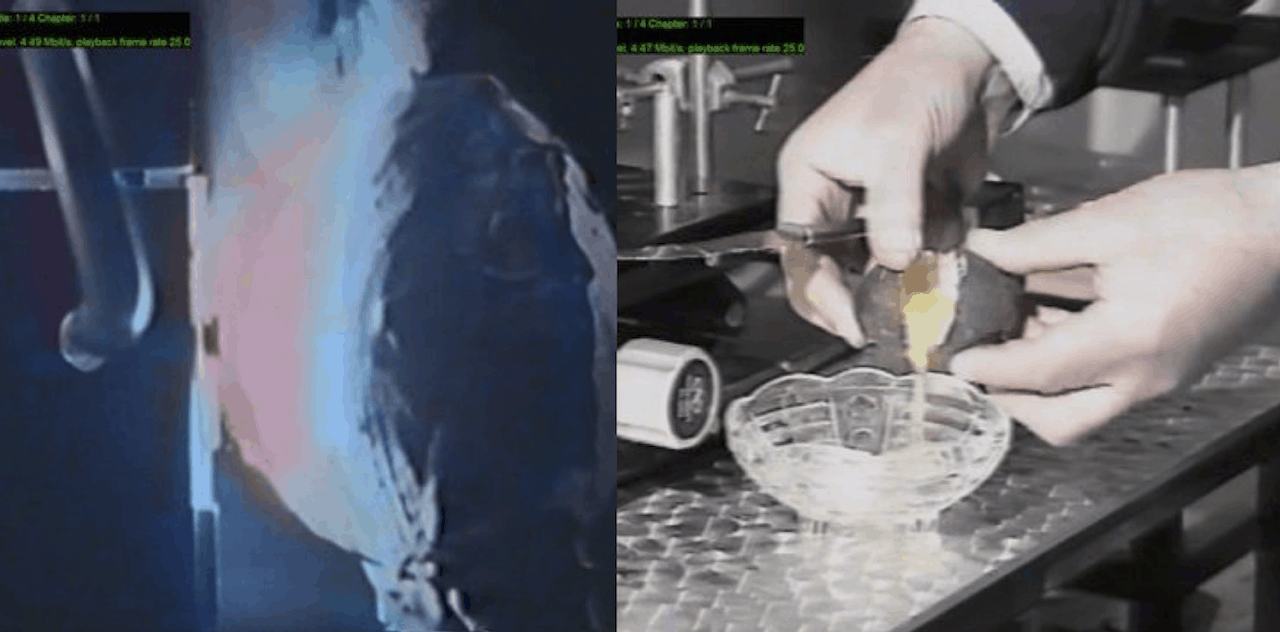
Imagine the applications of a material that could resist temperatures of 10,000 degrees Celsius. That’s almost twice the temperature of the surface of the Sun or the blast of a nuclear bomb. Well, one man by the name of Maurice Ward did just that in 1986. His invention of a special plastic could withstand even a nuclear flash that would otherwise melt a thick piece of steel in the laboratory. Ward’s granddaughter named the product Starlite. The problem is that his creation never came to market. As a matter of fact, he kept his formula under such tight wraps that when Maurice died in 2011, the mysteries of the Starlite material all but died with him.
Ward’s formula remains publicly unknown, although a successor company claims to possess a reconstructed or updated version that has not been independently authenticated.
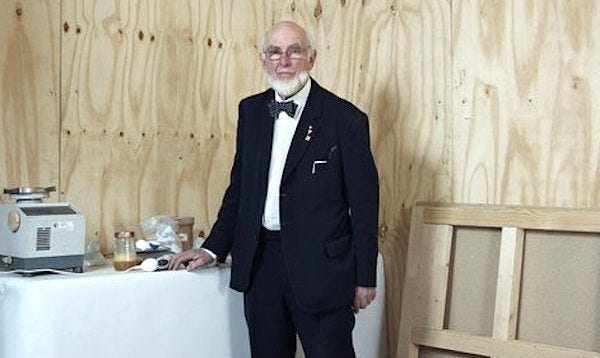
Maurice Ward invented the mysterious heat-resistant plastic, Starlite, in 1986.
Scientists have always been able to identify problems and find ingenious ways to overcome them. Maurice Ward, however, was no scientist. He was a simple hairdresser from Hartlepool in Yorkshire, England, who wanted to make the world a better, safer place. His inspiration stemmed from tragedy. In 1985, fifty-five people perished aboard a British Airtours plane within 40 seconds after the start of a fire during take off. But, it wasn’t the heat or flames that killed them. They had inhaled toxic smoke and fumes. Maurice had identified the problem. His next step was to find an answer.
