


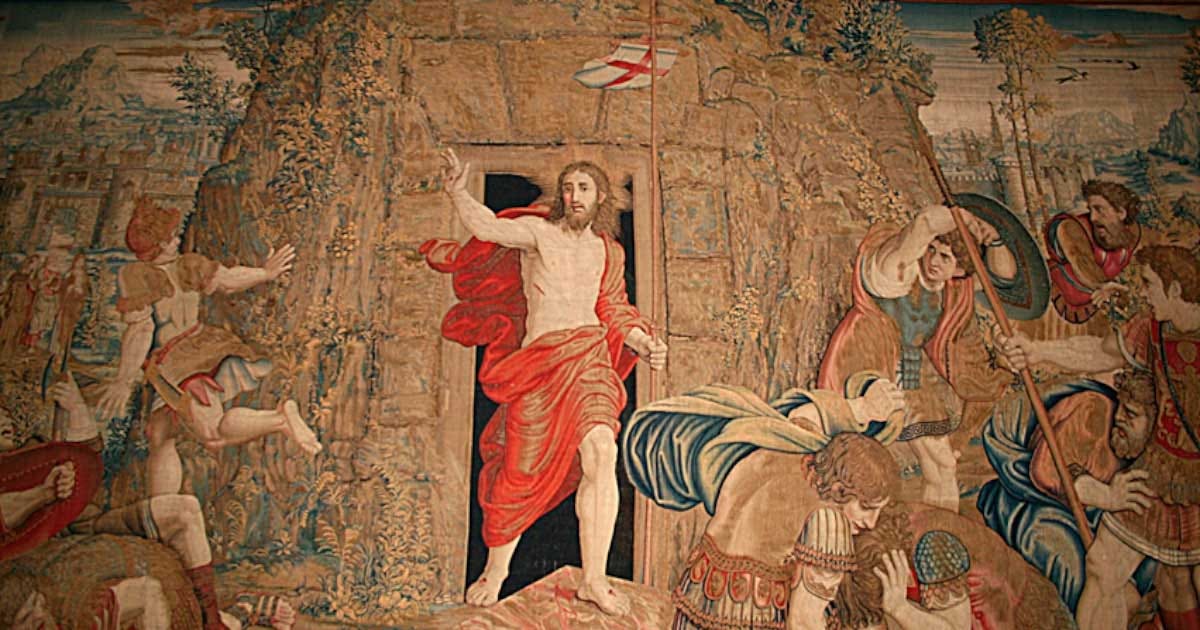
The facts as presented in the Bible appear to be clear. Jesus Christ died on the cross on Good Friday, was taken down and entombed, but when the tomb was visited in the next couple of days it was found to be miraculously empty.
Then, as if to confirm Jesus had been brought back to life by divine power, he appeared to his disciples before finally ascending to heaven. And for those who have faith in the teachings of Christianity, this is sufficient to understand the miracle of the Resurrection.
However, in today’s pragmatic and secular world, for many this explanation falls short. There are many speculations and debates that reach for the most straightforward explanation: Jesus never really died during the crucifixion process.
The two main hypotheses that explain the appearance of Jesus after crucifixion are the Swoon Hypothesis and the Substitute Hypothesis. Through this article, we will explore the foundations of the two hypotheses and how they try to explain the sighting of a risen Jesus after the crucifixion.
