


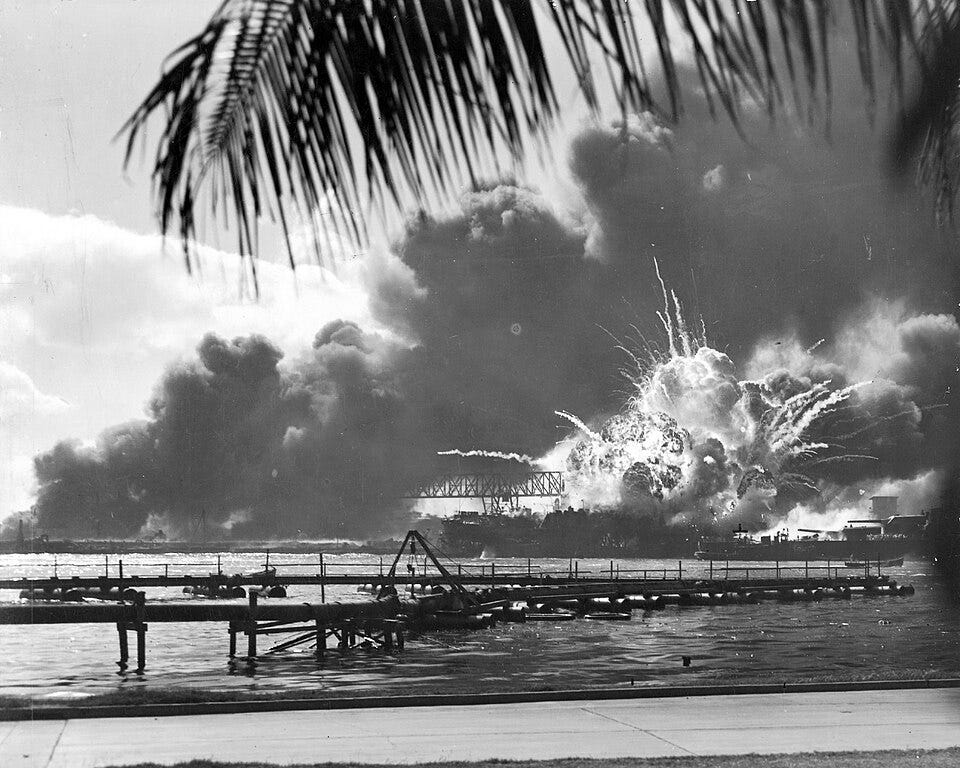
The Japanese attack on Pearl Harbor at 7:55 a.m., December 7, 1941, was one of the most important events in United States history. It prompted the United States government to join World War II in both the Pacific and the European theaters. It also showed the people of the United States that living in an isolationist country did not mean they were safe from attack.
The lesson was a sad one to learn and one that came with a high price. Despite the relative success of American involvement in World War II, some people have speculated that the United States could have prevented the attack on Pearl Harbor and the war with the Japanese that ensued. This is true for many reasons. However, avoidance would have come with a price of its own, namely the increased possibility that the Axis powers would have prevailed, and fascism might have come to essentially rule the world.
So what is the real story here? A closer examination of all the circumstances surrounding Pearl Harbor may bring some clarity, and possibly cause us to rethink some of our assumptions about a day “that will live in infamy,” to quote President Franklin D. Roosevelt.
Did We Know About a Possible Attack?
Looking back, we know that the United States military and government were aware of several clues that an attack from Japan was imminent. Relations between the two countries were crumbling. The Japanese were spreading propaganda about the United States. It seems they were gearing up for war even before the government of the United States realized that Japan was capable of it.
After the war, documents belonging to the American ambassador to Japan, Joseph Grew, were discovered. According to those papers, Grew had received intelligence from the Peruvian ambassador to Japan indicating that an attack on Pearl Harbor was being planned. Grew received this information on January 27, 1941 – nearly a year before the attack took place. Grew passed this information along, but his information was cursory at best, and he seemingly believed it to be unlikely. Later, Grew blamed the attack and the U.S. involvement in World War II on President Roosevelt.
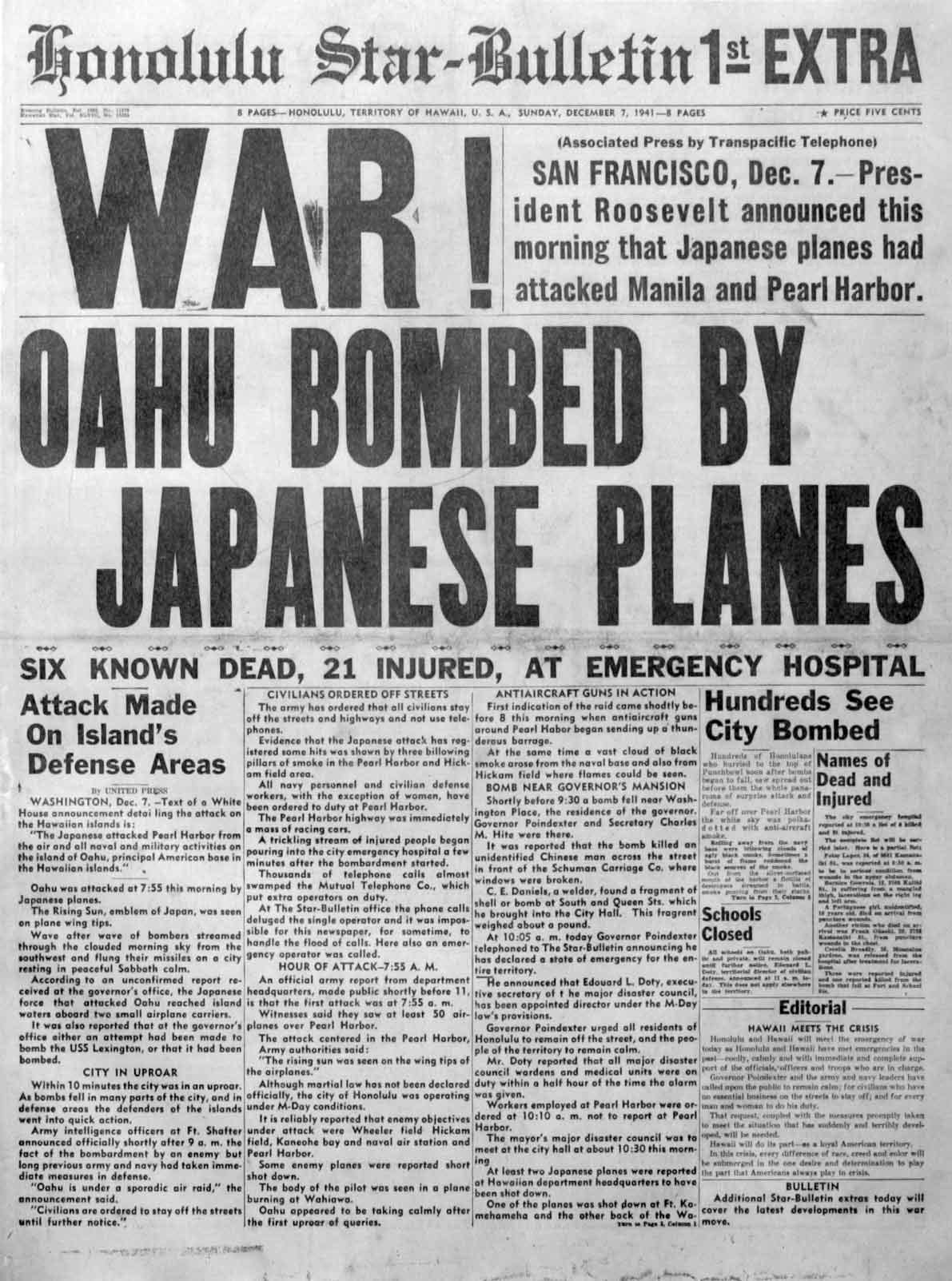
Today, an ever-increasing number of people believe that Roosevelt ultimately thought that the entrance of the United States into the war was both inevitable and in the best interests of the country and the world, and therefore decided to let the attack take place. This “let it happen on purpose” theory is quite radical, but it would explain why the warnings about Japan’s plans to attack US interests in the Pacific were ignored.
Precursors to the U.S.-Japan Conflict
Tensions between the U.S. and Japan had risen over interests in China. Japan had been at war with China. By the time warnings of hostilities against the U.S. began surfacing in Japan, Japan was in alliance with Italy and Germany. The United States had interests in China and did not want Japanese troops in the country. Furthermore, Japan’s alliance with Italy and Germany meant that it was at war with the British Empire.
If Japan had been successful in China, it would bring Axis powers one step closer to defeating the British. This would not have been good for the U.S. Therefore, despite the U.S. position of non-involvement in the war, they were inadvertently becoming involved by their opposition to Japan’s presence in China. Japanese authorities resented this. Unbeknownst to the U.S. at the time, Japan was planning a retaliation.
Jockeying for Position
The United States placed an embargo on oil and iron ore trade with Japan in July of 1941. They also “requested” that Japan remove their troops from China. This was roughly six months after the first official warning of a planned attack on Pearl Harbor had reached government officials. Japan needed U.S. oil to wage their wars. Of course, the embargo exacerbated things. The Prime Minister of Japan, Prince Konoye, decided to arrange a meeting with President Roosevelt in Hawaii, to discuss possible solutions. Roosevelt agreed but changed the place of meeting to Alaska. However, the meeting kept being put off; ultimately, it never took place. In October, Konoye was replaced as Prime Minister by the less peaceful-minded Tojo Hideki.
During all of this, the U.S. government did not believe that the Japanese would wage war with them. Although there were many ships, troops, and aircraft in Pearl Harbor due to rising tensions with the Japanese, defense issues at the base appear to have been unguarded because of an underestimation of the opposition. Had the U.S. government seen the validity of the threat of war with Japan, and had they heeded warnings, the harbor could have been much better defended. However, could the attack on Pearl Harbor have been avoided altogether?

The Attack on Pearl Harbor In Retrospect
Had President Roosevelt met with Prince Konoye, as Joseph Grew later suggested that he should have, would the Japanese have aborted their plan to attack Pearl Harbor? They probably would not have, unless the United States agreed to lift the embargo.
The United States could not lift the embargo without an agreement from Japan that they would leave China. It is highly unlikely that Japan would have left China. They only wanted that embargo lifted. With it, there was no reason for them to maintain peace with the United States. So, the attack on Pearl Harbor was probably unavoidable this way.

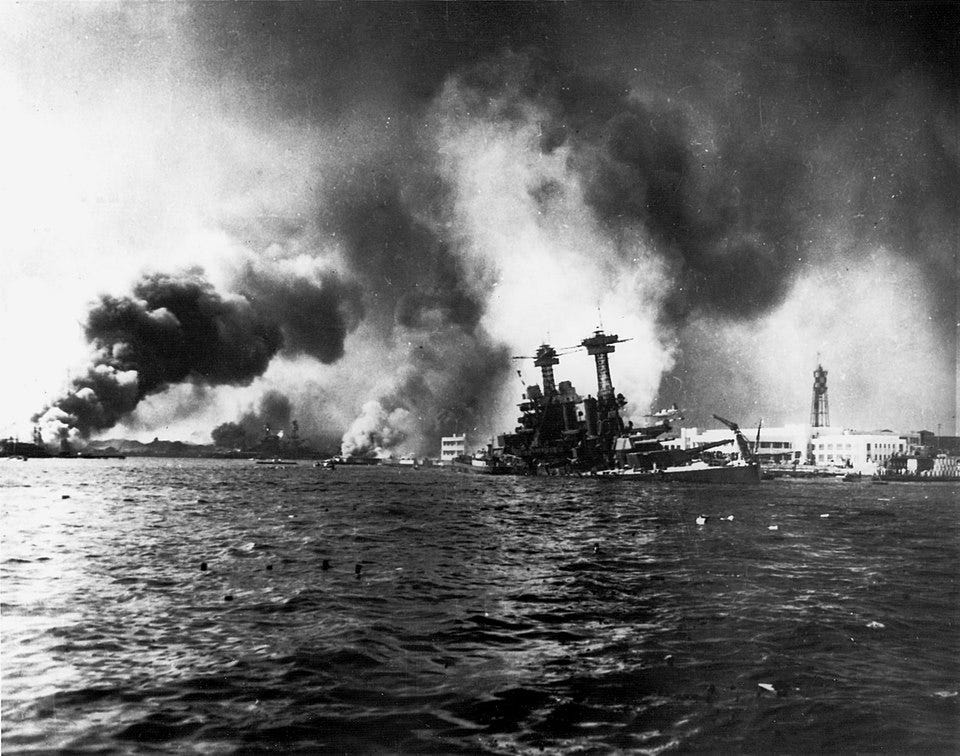
If the U.S. military had been more prepared for an attack on Pearl Harbor, the Japanese may have aborted their plan to attack. However, they may well have simply attacked elsewhere. Perhaps if the United States had heeded warnings coming from Japan, they could have gathered more intelligence and gauged the situation better. Perhaps they would have initiated the war. The Pearl Harbor attack had been a long time coming, and it changed the course of World War II by making it a true world war that included the Americas as well as Europe.
Top image: Photograph of the USS Shaw exploding on December 7, 1941 at Pearl Harbor after being bombed by the Japanese.
Source: Public Domain.

By Shelly Barclay
Shelly Barclay writes on a variety of topics from animal facts to mysteries in history. Her main focus is military and political history. She is a writer for the Boston History Examiner, Military History Examiner and the Boston American Revolution History Examiner. She also writes for a local historical society newsletter.
Wasn't the US covertly bombing Japan from China prior to Pearl Harbour?
アメリカ人は自国の歴史について、知らなすぎるのでは?
WW2の44年前に、セオドア ルーズベルト大統領政権時に、日本占領のための『オレンジ計画』を策定し、最終1936年 フランクリン・ルーズベルト大統領によって計画施行に。<黄禍論>(ドイツ・ウィルヘルム2世案)に則った策定で、日本は追い詰められた。島しょ部・沖縄で陸軍最終決戦、マリアナ海海戦で海軍最終決戦、ガス弾に代わる原子爆弾を降伏するまで落とすことまで策定していたのではなかったか? 米軍は大陸での戦争を回避。 当然、キューバ戦争と同じように、国内世論を戦争へ促すために、先に義勇軍を募り、同胞の犠牲をうたい、米国を打たせ、世論の高揚を待つ。いつもの定型パターンで、ルーズベルトとその周辺は暗号解読を終え、真珠湾が攻撃を受けることを暗黙のうちに知っていた。ただ、その攻撃規模が予想外で、被害が甚大であったことから、驚愕したに過ぎない。アメリカ首脳部の”白人”としてのおごり高ぶりが、そもそも、戦争の主因と考える。これらは、アメリカ公文書館の記録にあることではないのか?
日本は、1941年11月の『ハルノート』が届くまで、直前の天皇陛下を交えた御前会議において、天皇の指示のもと、和平・講和会議を第3国をも介して催す提案をし続けてきた。が、それを完全に無視し、ルーズベルトの日本人を絶滅とまで言い切る黄禍論の基づく偏見が、アメリカを戦争に進ませた。
もし、ルーズベルトとハルが、日本の提案する太平洋の島において、平和交渉を受け入れていれば、戦争は起こらなかった。
1940年時、すでに、”義勇軍?”と称する、米軍正規戦闘機・爆撃機部隊が、インド・ビルマ経由で中国国民党軍に参加し、中国大陸で戦闘している段階で、真珠湾の宣戦布告前にアメリカが日本に対し戦争を仕掛けている事実。すべては、アメリカ・ルーズベルトとチャーチルの、日本<黄禍論>に基づく、人種差別・偏見に基づく戦争であった。
アメリカが日本に、戦争終結と関係の無い時点で、プロジェクト目的完遂のために、原爆(パットマンタイプを最終目的)を投下し、ジェノサイドを起こしたこと。その後、歴代大統領は日本への謝罪の言葉が無いこと。これらは日本が存在し続ける限り、歴史に刻まれる。