


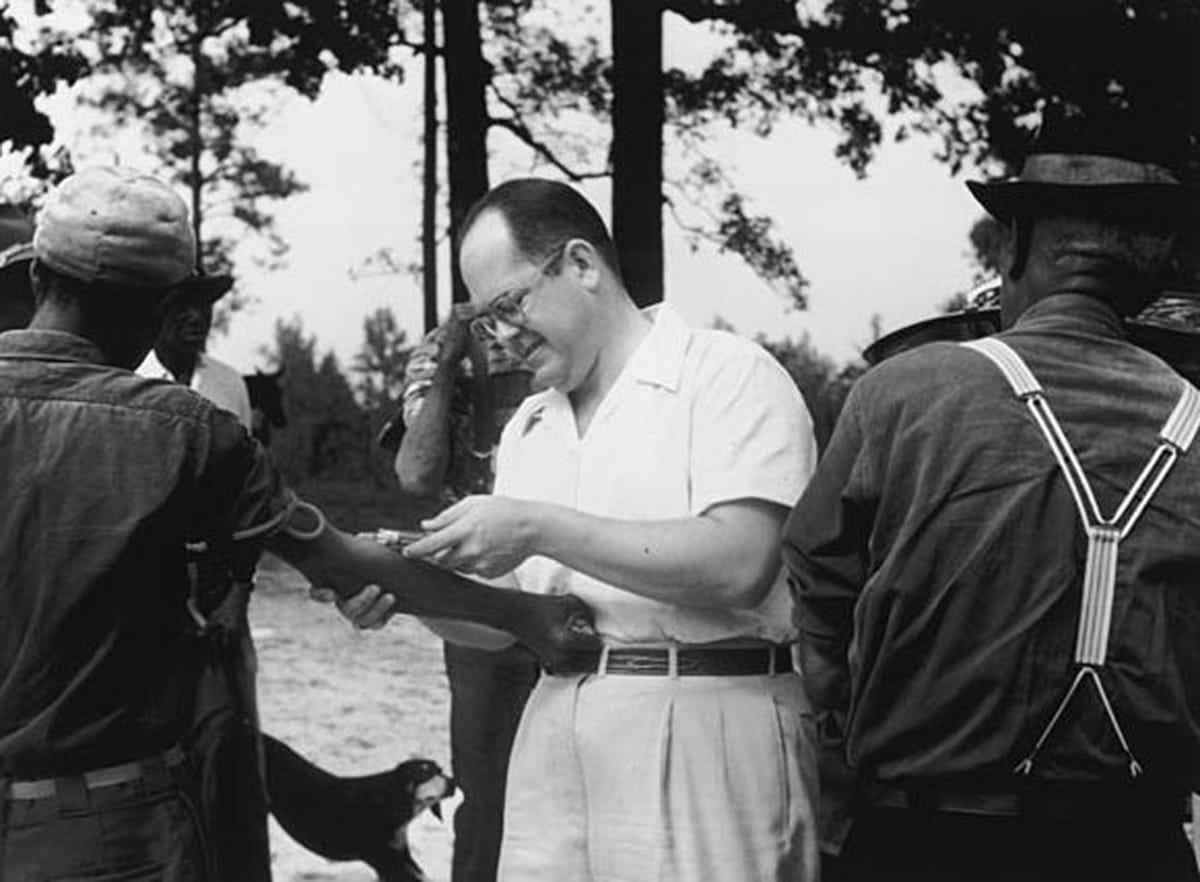
The Tuskegee experiment was one of the most ethically abusive studies in United States history. The full title of the study conducted by the United States Public Health Service (USPHS) was the “Tuskegee Study of Untreated Syphilis in the Negro Male” and it was conducted on a group of about 600 African Americans suffering from syphilis.
It included x-rays, blood tests, autopsies, and spinal taps of the subjects, as the researchers sought to understand the disease further. However, what it did not include was treatment for the syphilis, which was allowed to progress untreated in the subjects.
The Tuskegee Syphilis Study
When the study was started in 1932, there was no cure available for people suffering from syphilis. The highly contagious disease started with minor symptoms, such as swelling near the groin. From there, the disease would commonly progress at a rapid pace, leading to chronic fatigue, weight loss, and hair loss, and eventually even death.
In order to understand the disease better, the Tuskegee Institute and the USPHS decided to conduct a study in Macon County, Georgia. To attract applicants, they promised to deliver free medical care to participants.
Among the 600 African American men recruited, 399 men suffered from the disease, while the remaining 201 men acted as the control group of the study. The main purpose of the study was to understand the history of sufferers, and to observe the effects when the disease was left untreated.
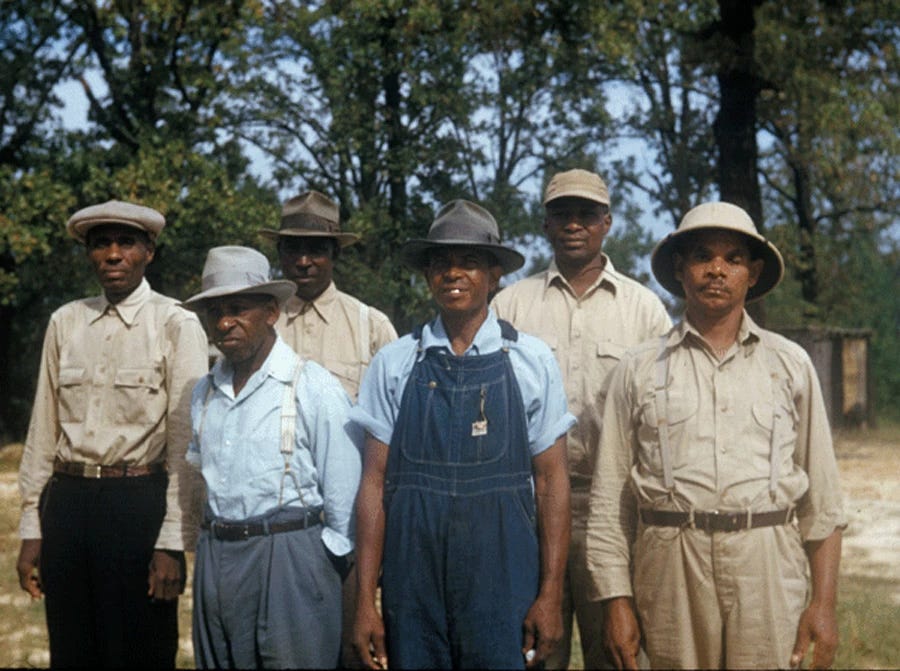
The study intended to document the complete progression of the disease in the body of individuals and its effects. However, the subjects of the study were unaware of the fact, and the promise of treatment was a lie.

