


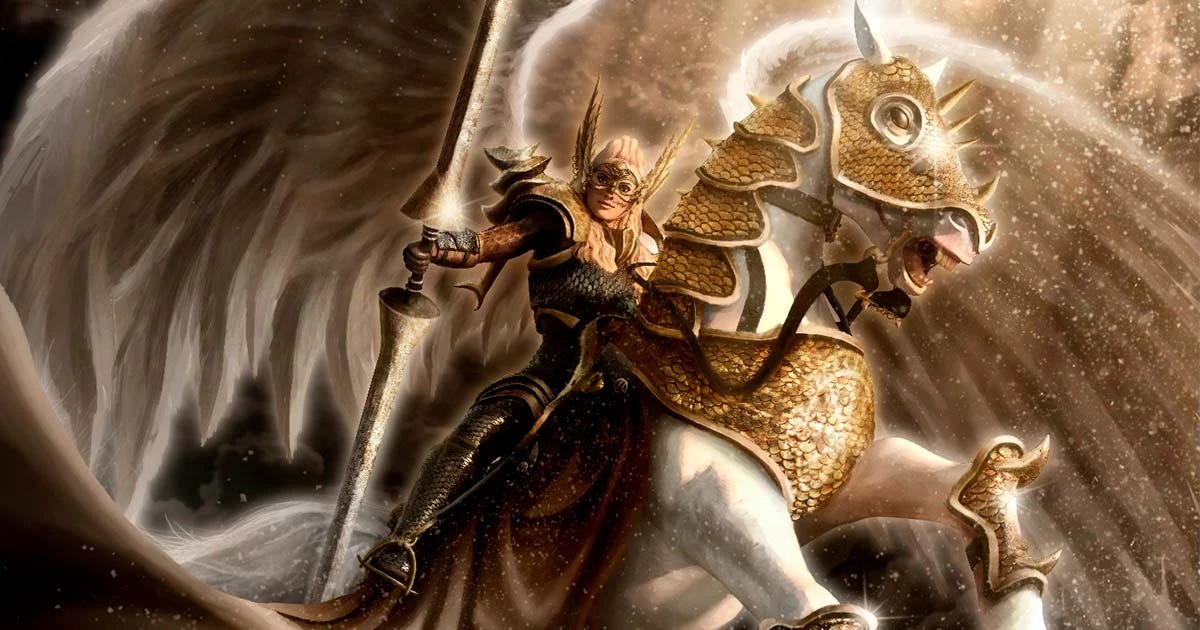
One of the most well-recognized works of music is Richard Wagner’s Die Walküre, the “Ride of the Valkyries.” The Norse mythological Valkyries inspired the powerful composition, but they have also inspired more than just classical music.
Valkyries have been the muses for poems and classic works of art since the Viking Era. But our impression of the Valkyries today is much influenced by these later glosses on them, and in this they have strayed from the original figures.
Who were the Valkyries, and why are they seen as warriors while also acting as servants of men?
Valkyries
The word Valkyrie comes from the Old Norse word valkyrja, which means “chooser of the slain.” A Valkyrie is a female figure from Norse Mythology who acts as a psychopomp guiding the souls of slain warriors to Odin’s hall, Valhalla, where they will prepare for Ragnarök.
The deceased warriors become einherjar who, when not preparing for the end of the world, would be served mead by the Valkyries. Valkyries can also appear in mythology as lovers of mighty heroes and humans who catch their eye.
These fantastical females are either accompanied by swans and ravens or can appear to humans as swans or ravens. The Valkyrie were said to ride into war either on horseback, or riding upon a wolf or boar, armed with spears. Depending on the epic poem or myth story, the Valkyrie were either warrior women, or the objects of desire to male gods and humans.
